When we think of Rome’s greatest emperors, names like Augustus, Marcus Aurelius, and Trajan come to mind. But there’s one emperor whose reforms kept the empire running for centuries, and most people have never heard of him.
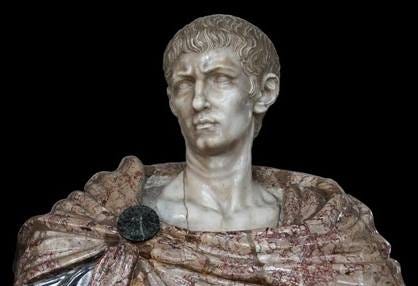
His name was Diocletian, and today we remember him as he passed away December 3, 312 AD.
From Nobody to Emperor
Diocletian wasn’t born into power. He came from nothing, the son of a scribe or freedman in the backwater province of Dalmatia (modern Croatia). No senatorial family. No political connections. Just raw talent and ambition.
He rose through the army on merit alone, eventually commanding the emperor’s elite cavalry bodyguard. When Emperor Numerian died mysteriously in 284 AD, the generals chose Diocletian as his successor.
He inherited a disaster. For fifty years, Rome had endured the Crisis of the Third Century…over twenty emperors in five decades, most murdered by their own troops. The currency had collapsed and barbarians raided every frontier.
The Tetrarchy: A Revolutionary Solution
Diocletian recognized a fundamental problem: one man couldn’t run an empire this vast. His solution was revolutionary, instead of hoarding power, he shared it.
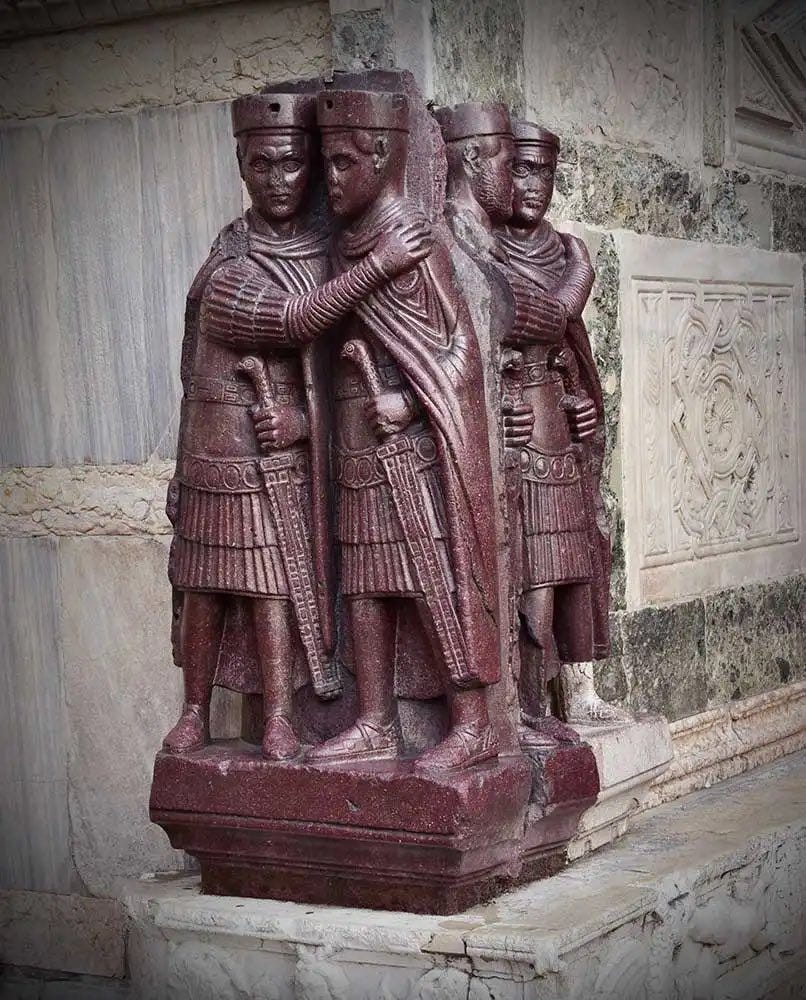
In 293 AD, he created the Tetrarchy, the “rule of four.” Two senior emperors and two junior emperors divided the empire among themselves, each defending his own frontiers. For the first time in decades, Rome could respond to multiple threats simultaneously. The frontiers held.
Rebuilding the System
Diocletian’s reforms went far beyond military solutions. He doubled the number of provinces to about 100, which created smaller units that prevented governors from accumulating dangerous power and allowed for easier administration. He also separated civil and military authority, meaning Generals could no longer control both armies and tax collectors. He also launched massive fortification programs across every frontier, and he standardized taxation through a comprehensive census.
Not everything worked. Diocletian’s price controls failed spectacularly, and his persecution of Christians proved both cruel and counterproductive. But his administrative framework endured for centuries, as the Christian Church later even adopted his diocesan structure for its own organization.
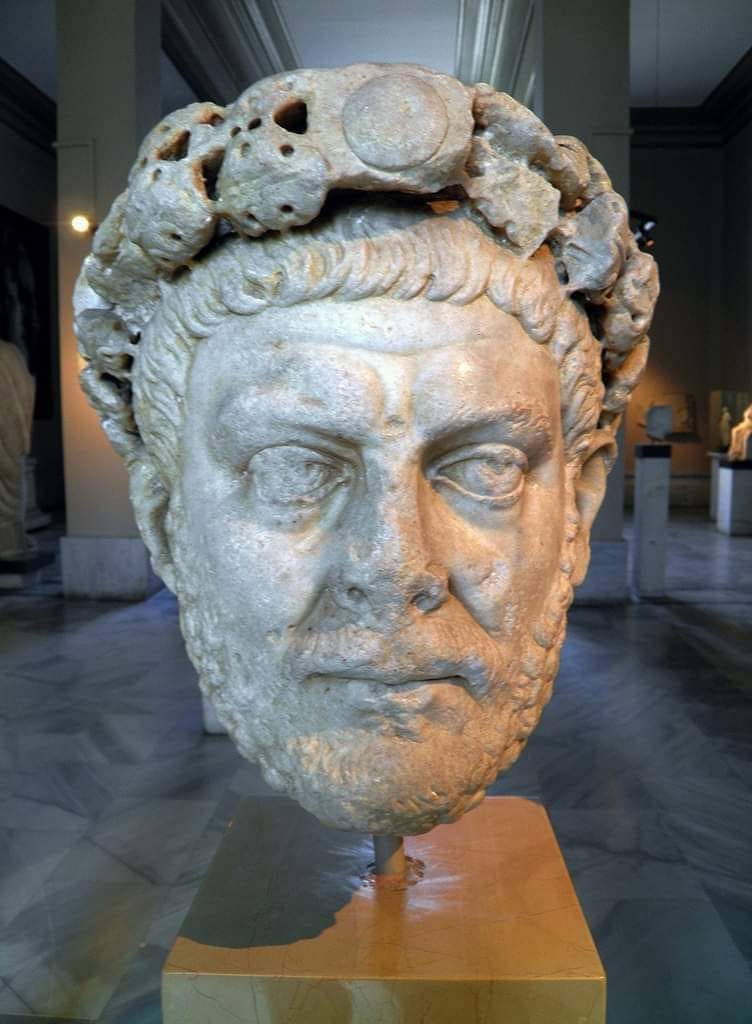
Walking Away
Perhaps Diocletian’s most remarkable act came at the end. On May 1, 305 AD, he did something no Roman emperor had ever done: he voluntarily retired.
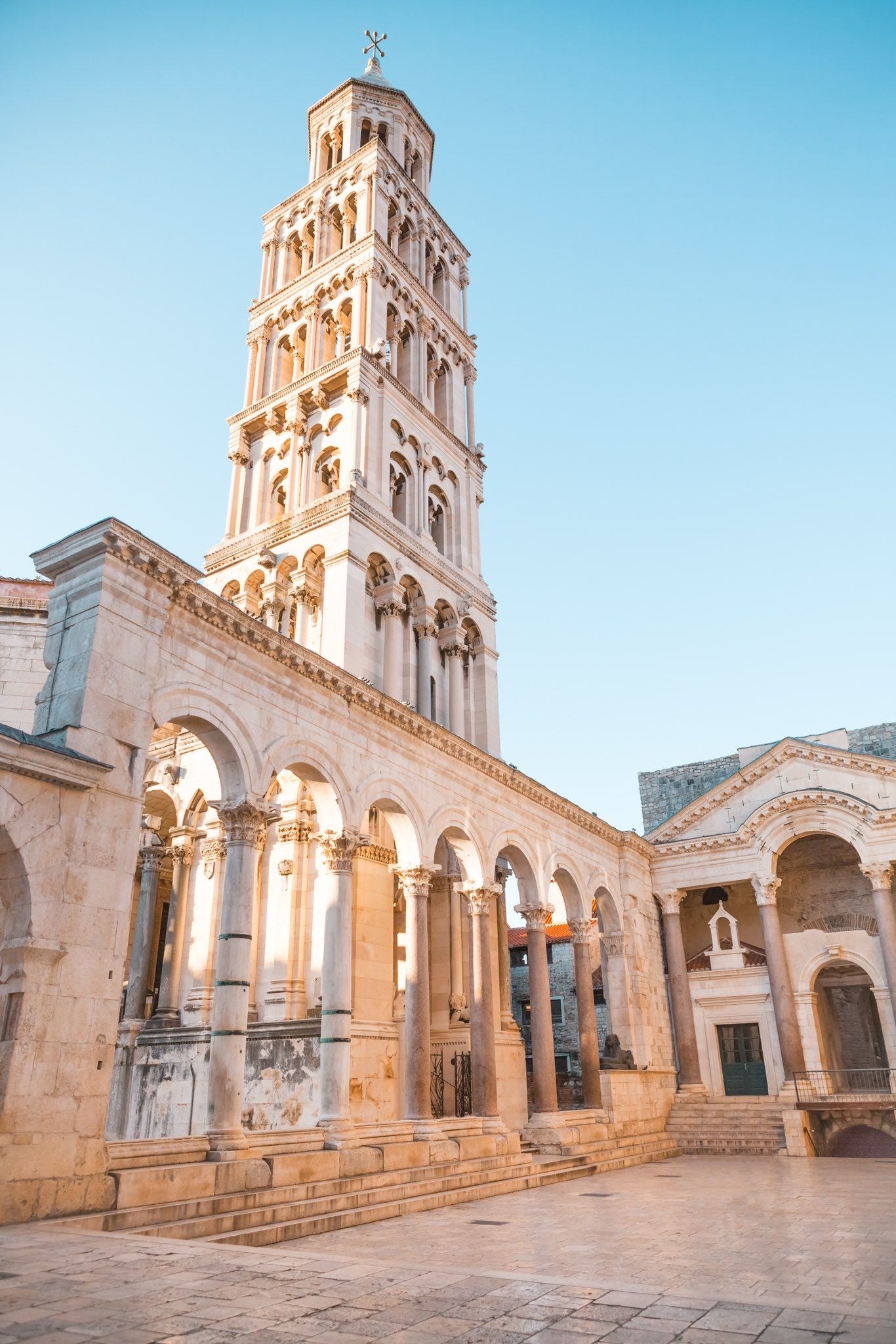
He removed his purple cloak, handed it to his successor, and withdrew to a palace near his hometown in what is now Split, Croatia. When civil war later erupted and delegations begged him to return, Diocletian reportedly answered: “If you could see the cabbages raised by my own hands, you surely would never judge that a temptation.”
He spent his final years gardening and never returned to politics.
An emperor who rose from nothing, pulled Rome back from the brink, rebuilt its institutions, and then walked away to grow vegetables in peace. That’s a legacy worth remembering.